
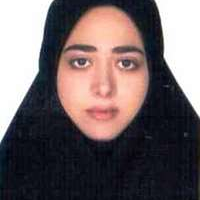
فاطمه رضائی
عنوان پایاننامه
تدوین الگوی حل تعارض طرحواره محور بومی و اثربخشی آن بر ناکارآمدی تعاملات زناشویی
- دانشجو
- فاطمه رضائی
- استاد راهنما
- حسین سلیمی بجستانی, ابراهیم نعیمی
- استاد مشاور
- کیومرث فرح بخش, محمد عسگری
- استاد داور
- آتوسا کلانتر هرمزی, معصومه اسمعیلی
- رشته تحصیلی
- مشاوره
- مقطع تحصیلی
- دکتری تخصصی PhD
- ساعت دفاع
- چکیده
- ناکارآمدی تعاملات زناشویی بهعنوان منبع تعارض تکراری بین زوجها موجب حل نشدن مسائل مهم زندگی مشترک میشود. لذا بهمنظور کاهش ناکارآمدیهای تعاملاتی زوجین از شیوههای گوناگون درمانی استفاده میشود که ازجمله آن میتوان به طرحواره درمانی اشاره کرد که مانند سایر درمانهای شناختی، متأثر از زمینههای فرهنگی-اجتماعی است و کارایی آن تحت تأثیر بافت جامعه و باورها و ارزشهای برخاسته از آن قرار دارد. لذا پژوهش حاضر درصدد تدوین و روا یابی الگوی حل تعارض طرحواره محور بومی و سپس تعیین اثربخشی بسته مداخلاتی مستخرج از آن بر کاهش ناکارآمدی تعاملات زناشویی بود. این پژوهش با اتخاذ رویکرد آمیخته و طرح اکتشافی متوالی، از ترکیب روش کیفی از نوع نظریه داده بنیاد و کمی با بهرهگیری از طرح تجربی تک موردی ( نوع AB یا مشاهده مستقیم مکرر) کوشیده است مدلی پارادایمی از حل تعارض طرحواره محور بومی ارائه دهد. بدین منظور با روش نمونهگیری هدفمند از میان متأهلین دارای تعارض زناشویی مراجعهکننده به مراکز مشاوره منتخب شهر تهران و زوج درمانگرانی که در مراکز مشاوره منتخب شهر تهران مشغول به کار هستند و در کار با زوجها از رویکرد طرحواره درمانی استفاده میکنند گزینش و با استفاده از مصاحبههای نیمه ساختاریافته و بر مبنای اصل اشباع نظری، یک سری مصاحبه با ۸ نفر از متأهلین دارای تعارض و دو سری مصاحبه با ۹ نفر از زوج درمانگران بهطور جداگانه انجام شد. پس از انجام کدگذاریهای باز، محوری و انتخابیِ مجزا برای مصاحبه با متأهلین و مصاحبهها با زوج درمانگران، نتایج حاصل از این سه سری مصاحبه، ادغام شد و الگوی پارادایمی مستخرج از یافتهها ترسیمگرید. یافتههای حاصل از این پژوهش توانست عوامل علی، زمینهای، مداخلهگر، راهبردها و پیامدهای حاصل از راهبردها را در قالب الگوی پارادایمی ارائه کند. بر اساس نتایج، چالشهای فرهنگی در روابط، چالشهای محتوایی، فرآیندی و اجرای تکنیک از مهمترین موضوعات محوری در کاهش ناکارآمدی تعاملات زوجین بر اساس الگوی حل تعارض طرحواره محور بومی بودند. سپس بسته مداخلاتی مبتنی بر الگو تدوین و با استفاده از شاخص روایی محتوایی، اعتبار یابی شد. در بخش کمی پژوهش نیز یک زوج دارای تعارض و تعاملات ناکارآمد در جلسات مشاوره مبتنی بر الگوی حل تعارض طرحواره محور بومی به مدت ۲۰ جلسه شرکت داده شدند و نتایج سنجشهای مکرر با کمک پرسشنامه ثبات تعاملات زناشویی گاتمن و چکلیست ارزیابی ناکارآمدیهای تعاملاتی زوجین حاکی از اثربخشی بسته مداخلاتی مستخرج از الگو بر کاهش ناکارآمدیهای تعاملاتی آنها بود. واژگان کلیدی: الگوی مشاورهای، بسته مداخلاتی، طرحواره، بومیسازی، ناکارآمدی تعاملات زناشویی، تعارض زناشویی
- Abstract
- The ineffectiveness of marital interactions, as a source of repeated conflict between couples, leads to unresolved issues in shared life. Therefore, various therapeutic approaches are used to reduce interactional ineffectiveness in couples, including Schema Therapy, which, like other cognitive therapies, is influenced by socio-cultural contexts, and its efficacy is affected by the societal framework, beliefs, and values. This study aimed to develop and validate an indigenous schema-based marital conflict resolution model and then determine the effectiveness of an interventional package derived from it on reducing marital interactional ineffectiveness. Using a mixed-methods approach with a sequential exploratory design, this research combined a qualitative grounded theory method with a quantitative single-case experimental design (AB or multiple direct observation) to provide a paradigm model of indigenous schema-based conflict resolution. For this purpose, a purposive sampling method was used to select married people with marital conflict who had referred to counseling centers in Tehran, as well as couple therapists working in these centers who use the schema therapy approach. Based on the principle of theoretical saturation, semi-structured interviews were conducted in two separate series: one with eight conflicting married people and another with nine couple therapists. After performing separate open, axial, and selective coding for the interviews with the conflicting people and the therapists, the results from these two series of interviews were integrated, and the paradigmatic model derived from the findings was illustrated. The findings of this research were able to present the causal conditions, contextual factors, intervening conditions, strategies, and outcomes of the strategies within a paradigmatic model. Based on the results, cultural challenges in relationships, content-related and process-related challenges, and challenges in technique implementation were the most critical central themes in reducing couples' interactional ineffectiveness according to the indigenous schema-based conflict resolution model. Subsequently, the intervention package based on the model was developed and validated using content validity index. In the quantitative part of the study, one couple with conflict and ineffective interactions participated in ۲۰ sessions of counseling based on the indigenous schema-based conflict resolution model. The results of repeated measurements using the Gottman Marital Interaction Stability Questionnaire and the Couples' Interactional Ineffectiveness Assessment Checklist indicated the effectiveness of the interventional package in reducing their interactional ineffectiveness. Keywords: Counseling Model,Treatment package, Schema, Localization, Marital Interactional Inefficiency, Marital Conflict.